


A Flinders University research project

No worries.
Let's just talk.

A game-based space for culturally and linguistically diverse young people to explore sexual health and wellbeing, reduce anxiety, build confidence, and feel more prepared to connect with trusted professional or clinical support.

About the project

A gentle open door to wellbeing conversations

No Worries Wellbeing is a Flinders University research initiative building a game-based platform for culturally and linguistically diverse young people aged 12 to 24 in South Australia. We are not here to teach a curriculum or deliver clinical advice. Our goal is to reduce stigma, build comfort and make it easier to start a conversation with the right specialist, service or trusted adult.

How it works

Four small steps, zero pressure

  1. Step 01

    Play privately

    Explore a game-based world on your own device, in your own time. No accounts to show anyone, nothing to hand in.

  2. Step 02

    Meet a friendly guide

    In-game characters introduce ideas and language gently, so unfamiliar topics start to feel familiar.

  3. Step 03

    Build comfort

    Little by little, the words and questions that once felt awkward start to feel normal, even sayable.

  4. Step 04

    Take the next step

    When, and only when, you're ready, the platform points you towards trusted people and real services near you.

Behind the project

An open door, not a lesson

No Worries Wellbeing is not here to teach clinical facts or replace expert care. It is a warm, stigma-reducing first step: a way to help culturally and linguistically diverse young people feel more comfortable, so they can open the door to the right specialist, service, or trusted adult when they are ready.

Research team

Our team brings together researchers with deep experience in gamified sexual health education, digital health interventions and community-engaged research with culturally and linguistically diverse young people.

Publications

The research behind the project

No Worries Wellbeing grows out of years of published research by our team on gamification, game-based learning and sexual health literacy.

  1. Haruna, H. (2025). A comparative analysis of gamified and non-gamified interventions' effectiveness in teaching adolescent students about healthy sexual practices in Tanzania. Sexuality Research and Social Policy, 22(1), 435–450.
  2. Haruna, H., & Hu, X. (2018). International trends in designing electronic health information literacy for health sciences students: A systematic review of the literature. The Journal of Academic Librarianship, 44(2), 300–312.
  3. Haruna, H., Abbas, A., Zainuddin, Z., Hu, X., Mellecker, R. R., & Hosseini, S. (2021). Enhancing instructional outcomes with a serious gamified system: A qualitative investigation of student perceptions. Information and Learning Sciences, 122(5–6), 383–408.
  4. Haruna, H., Hu, X., & Chu, S. W. (2018). Adolescent school-based sexual health education and training: A literature review on teaching and learning strategies. Global Journal of Health Science.
  5. Haruna, H., Hu, X., Chu, S. K. W., & Mellecker, R. R. (2019). Initial validation of the MAKE framework: A comprehensive instrument for evaluating the efficacy of game-based learning and gamification in adolescent sexual health literacy. Annals of Global Health, 85(1), 19.
  6. Haruna, H., Hu, X., Chu, S. K. W., Mellecker, R. R., Gabriel, G., & Ndekao, P. S. (2018). Improving sexual health education programs for adolescent students through game-based learning and gamification. International Journal of Environmental Research and Public Health, 15(9), 2027.
  7. Haruna, H., Okoye, K., Zainuddin, Z., Hu, X., Chu, S., & Hosseini, S. (2021). Gamifying sexual education for adolescents in a low-tech setting: Quasi-experimental design study. JMIR Serious Games, 9(4), e19614.
  8. Haruna, H., Zainuddin, Z., Mellecker, R. R., Chu, S. K., & Hu, X. (2019). An iterative process for developing digital gamified sexual health education for adolescent students in low-tech settings. Information and Learning Sciences, 120(11–12), 723–742.
  9. Haruna, H., Zainuddin, Z., Okoye, K., Mellecker, R. R., Hu, X., Chu, S. K. W., & Hosseini, S. (2023). Improving instruction and sexual health literacy with serious games and gamification interventions: An outlook to students' learning outcomes and gender differences. Interactive Learning Environments, 31(4), 2392–2410.
  10. Zainuddin, Z. (2024). Integrating ease of use and affordable gamification-based instruction into a remote learning environment. Asia Pacific Education Review, 25(5), 1261–1272.
  11. Zainuddin, Z., Chu, S. K. W., & Othman, J. (2024). The evaluation of gamification implementation for adult learners: A scale development study based on andragogical principles. Education and Information Technologies, 29(14), 18591–18620.
  12. Zainuddin, Z., Chu, S. K. W., & Perera, C. J. (2024). Gamification in education. In Gamification in a flipped classroom: Pedagogical methods and best practices (pp. 67–113). Springer Nature Singapore.
  13. Zainuddin, Z., Chu, S. K. W., Shujahat, M., & Perera, C. J. (2020). The impact of gamification on learning and instruction: A systematic review of empirical evidence. Educational Research Review, 30, 100326.
  14. Zainuddin, Z., Farida, R., Keumala, C. M., Kurniawan, R., & Iskandar, H. (2022). Synchronous online flip learning with formative gamification quiz: Instruction during COVID-19. Interactive Technology and Smart Education, 19(2), 236–259.
  15. Zainuddin, Z., Perera, C. J., Haruna, H., & Habiburrahim, H. (2020). Literacy in the new norm: Stay-home game plan for parents. Information and Learning Sciences, 121(7–8), 645–653.
  16. Zainuddin, Z., Shujahat, M., Chu, S. K., Haruna, H., & Farida, R. (2019). The effects of gamified flipped instruction on learner performance and need satisfaction: A study in a low-tech setting. Information and Learning Sciences, 120(11–12), 789–802.
  17. Zainuddin, Z., Shujahat, M., Haruna, H., & Chu, S. K. W. (2020). The role of gamified e-quizzes on student learning and engagement: An interactive gamification solution for a formative assessment system. Computers & Education, 145, 103729.

Community

Co-designed with the communities it's for

Nothing here is built for young people without being built with them. Three groups sit at the table from day one.

CALD youth advisory group

Young people aged 12–24 from culturally and linguistically diverse backgrounds shape every decision, from the words we use to the worlds we build.

Health & community experts

Sexual health professionals, youth workers and researchers make sure everything is accurate, safe and genuinely helpful.

Community & faith organisations

Trusted community and faith leaders help us stay respectful of cultural values while keeping the door open for honest conversation.

Coming soon

AI Talk

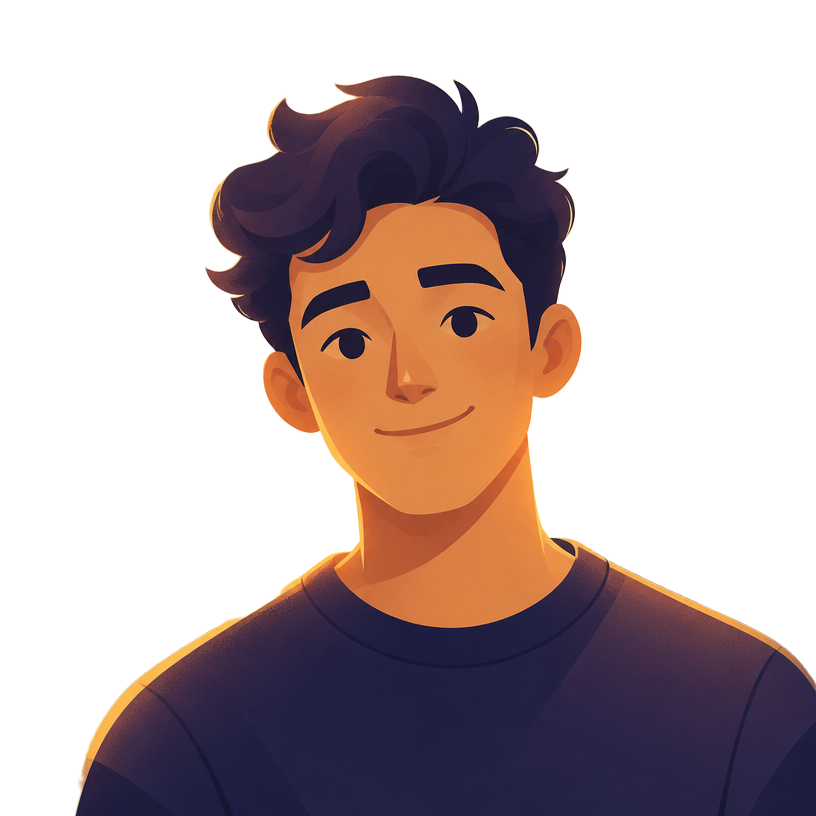
Male, female, and neutral-presenting AI avatars will give you another way to talk: privately, warmly and on your own terms. Choose whichever feels most comfortable for you.

Male avatar

A calm, friendly listener

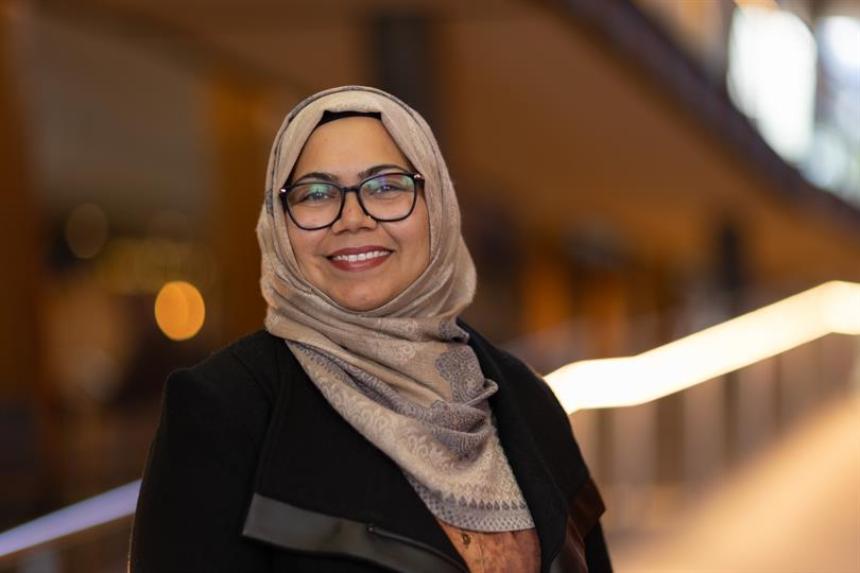
Female avatar

A warm, understanding guide

Neutral avatar

A welcoming, open presence

All three avatars are being shaped by young people and health advisors so they stay respectful, culturally aware and safe. They are not a replacement for professional care. They're a soft landing place that can help you find the right next step.

For families & educators

Built to earn your trust

We know this topic asks a lot of trust from parents, carers and teachers. Here's what we hold ourselves to.

No explicit content

Nothing graphic, nothing clinical. The platform is about comfort and conversation, not explicit material.

Flinders ethics oversight

Every stage of the project is reviewed under Flinders University research ethics processes.

Reviewed by health professionals

Qualified sexual health and youth health professionals check everything young people will see.

Points towards trusted adults

The platform always encourages young people towards parents, carers, elders and real services, never away from them.

Get support now

You don't have to wait for us

These services are free, confidential and ready right now, many with interpreters available.

SHINE SA

South Australia's leading sexual health and relationships organisation, with inclusive clinics and education.

1300 883 793

headspace / eheadspace

Free, confidential support for young people aged 12–25: online, by phone or in person.

1800 650 890

Kids Helpline

Australia's free 24/7 phone and online counselling service for young people aged 5–25.

1800 55 1800

Multicultural Youth SA

Support, programs and advocacy for young people from multicultural and refugee backgrounds in South Australia.

08 8212 0085

1800RESPECT

National 24/7 counselling for sexual assault and domestic or family violence.

1800 737 732

Emergency

If you or someone else is in immediate danger, call Triple Zero now.

000

Help us build this, right from the start

Whether you're a young person with ideas, a parent with questions, or a community organisation that wants in, your voice belongs in this project.